
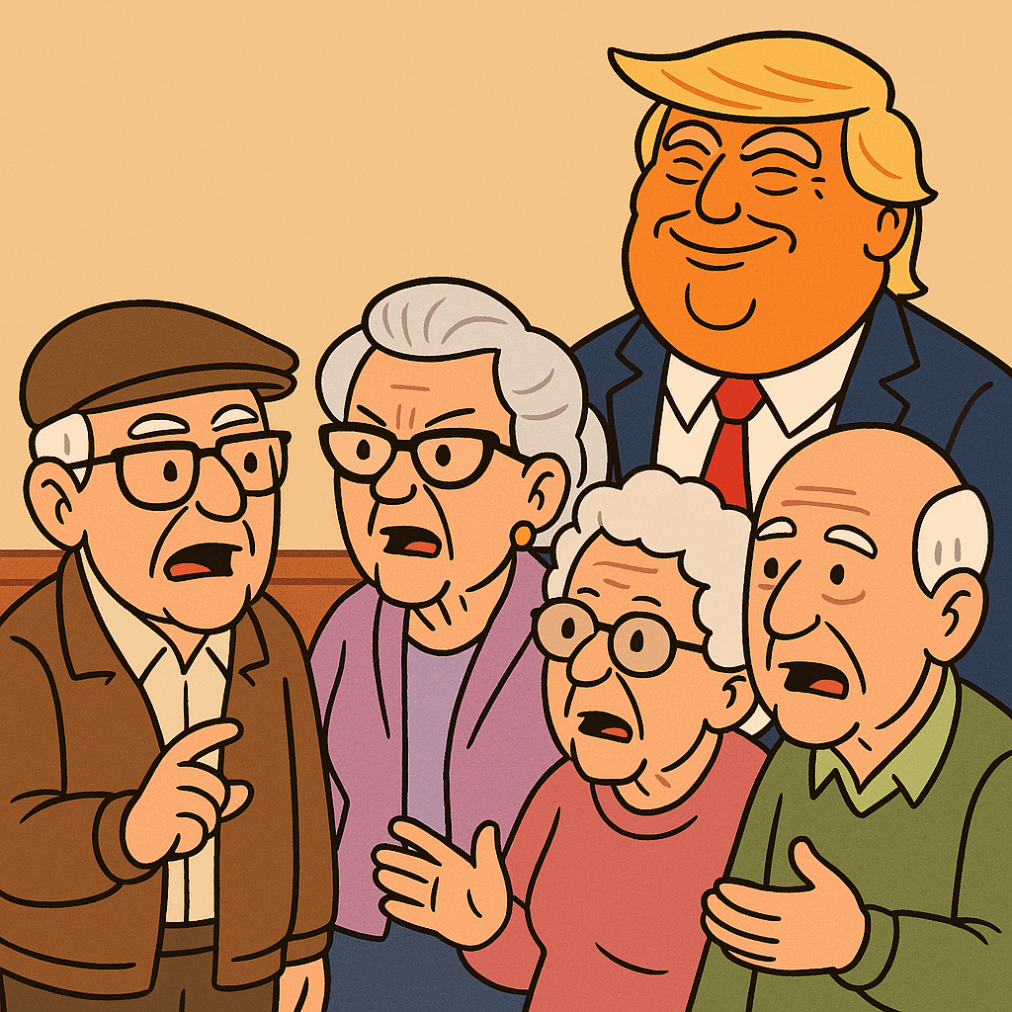
The Silent Generation: The Cautious Architects of Quiet Stability
The Silent Generation was born between 1928 and 1945. They emerged from the smoky rubble of the Great Depression. Their earliest memories were framed by breadlines, war rations, and headlines dripping with catastrophe. They were the kids peeking through curtains during blackouts, listening to their parents argue about jobs, hunger, or Hitler.
The Greatest Generation, glorified by Tom Brokaw as those who “saved the world,” were older siblings to the Silents. Unlike their older siblings, the Silents weren’t storming beaches or planting flags on Iwo Jima. They were too young to fight, but just old enough to carry the psychological scars of watching the world collapse.
By the time the dust settled, they inherited a battered, wary society desperate for order. And so, the Silent Generation became masters of conformity, stability, and incremental progress. They weren’t flashy. They weren’t loud. They were deliberate, often muted, shaping their identities quietly through work ethic, discipline, and sacrifice. They didn’t march in the streets. Instead, they filled boardrooms, courtrooms, and universities. They subtly reinforced the structures built by the Greatest Generation.
But here’s the nuance: they were also the first real generation of quiet revolutionaries, planting seeds beneath the surface. The Civil Rights Movement? Silent Generation. The early architects of the modern feminist movement? Silent Generation. But their style wasn’t riotous — it was calculated, policy-driven, and rooted in compromise. They moved chess pieces while others threw Molotov cocktails.
Tom Brokaw’s Greatest Generation:
Brokaw canonized the group born roughly 1901 to 1927. He praised their bravery in WWII and their grit through the Depression. He also acknowledged their collective focus on building post-war America — highways, suburbia, schools, space programs, manufacturing booms.
They returned from the war bloodied but determined. They fostered a national myth of exceptionalism. This myth was built on blue-collar labor, military strength, and a sense of civic duty. And for a moment, the system seemed bulletproof.
But history’s funny. Every peak plants the seeds of its own collapse.
Baby Boomers (Baby Gores) Crash the Scene:
From 1946 to 1964, the Baby Boomers were born. They are sometimes sarcastically dubbed “Baby Gores” for their tech-y, preachy, power-hungry tendencies. They entered into unprecedented prosperity.
- Cheap housing
- Exploding job markets
- Rock ‘n’ roll
- College degrees that didn’t require selling your kidneys
They inherited everything their predecessors built — but many viewed it as a birthright, not a gift. The Boomers basked in cultural revolution — free love, civil rights, anti-war protests — while simultaneously driving consumerism to extremes. They challenged authority. However, they also built the institutions that would later hollow out the middle class. These institutions would offshore jobs and dismantle social safety nets.
The Silent Generation and Boomers Together:
- The Silents held the steering wheel, cautious, methodical
- The Boomers slammed the gas pedal and later wondered why the brakes gave out
And That Leads Us To Today:
- Millennials and Gen Z inherited the worst of both worlds. They received a cracked foundation from Silent-era conservatism. Additionally, they face a hyper-capitalist, deregulated playground designed by Boomer ambition.
- The system is groaning under climate crises, runaway inequality, corporate overreach, and fractured political discourse.
- Meanwhile, the old guard — largely Boomers — clings to power. They flood politics with nostalgia. Younger generations scrounge for stability.
We’re living the aftershocks of a generational relay race:
- Greatest Generation: Sacrifice, war, building
- Silent Generation: Quiet stability, cautious progress
- Baby Boomers: Loud rebellion, consumer excess, economic overreach
- Us Now: Picking through the rubble with TikTok, inflation, and existential dread
Final Thought: Tom Brokaw called them the Greatest Generation because they built an empire out of chaos. But every empire comes with cracks. The Silent Generation tried to patch them with pragmatism. The Boomers painted over them with glitter and credit cards.
And now, here we are. We are staring at the cracks widening. We wonder how much more the foundation can take before it crumbles completely.