
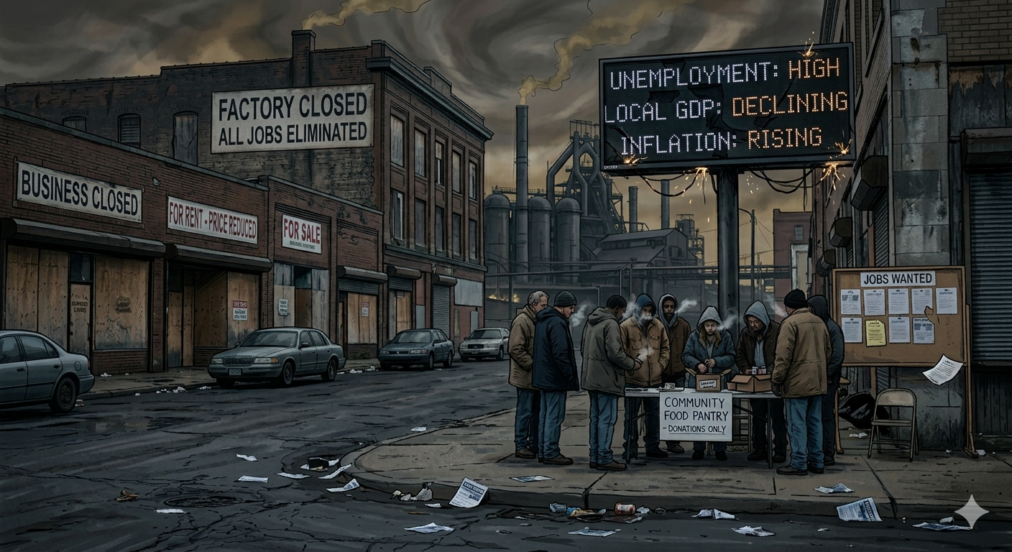
Here is a breakdown of why wages often feel stagnant, even when productivity or the economy seems to be moving forward:
1. The Inflation “Erosion” Effect
This is the most immediate factor. Even if you receive a nominal raise (say 3%), if the cost of groceries, rent, and gas goes up by 4%, your real wage has actually decreased. In 2026, volatile energy prices and “sticky” inflation mean that even when companies pay more, that extra cash is swallowed up by higher living costs before it hits your savings.
2. The Productivity-Pay Gap
Historically, as workers became more efficient (thanks to technology and better processes), their pay rose in tandem. However, since the late 1970s, that link has weakened.
- Automation & AI: While new tools like AI make businesses more productive, the financial gains often flow toward capital (owners and shareholders) rather than labor (the workers using the tools).
- Corporate Costs: Companies often prioritize reinvesting profits into technology or stock buybacks rather than increasing base compensation for the entire workforce.
3. “Sticky” Wages and Contracts
Wages are what economists call “sticky.” They don’t change as fast as the price of a gallon of milk.
- Fixed Contracts: Many workers are locked into salary agreements or collective bargaining contracts that were signed a year or two ago, before the latest spikes in the cost of living.
- Adjustment Lag: Employers are often slow to raise wages because they fear that if the economy dips, they won’t be able to easily lower them again.
4. Market Power and “No Hire-No Fire”
Currently, we are seeing a “no hire-no fire” trend.
- Reduced Mobility: When job openings decline, workers are less likely to quit for a higher-paying role. This “pay premium” for switching jobs—which was huge in 2022 and 2023—has shrunk significantly in 2026.
- Consolidation: In many industries, a few large companies dominate the market. This gives them more power to set wages without fear of losing workers to local competitors.
5. Changing Benefits
Sometimes, what looks like a flat wage is actually a shift in how you’re compensated. As healthcare and insurance costs rise, employers may put more money into maintaining your benefits package rather than increasing the “top-line” number on your paycheck.
In short: You are likely producing more value than ever, but that value is currently being offset by the rising cost of living, a slower job-switching market, and the high costs of business technology and benefits.
Are you seeing these trends in a specific industry, or is this more of a general observation about the current economy?