
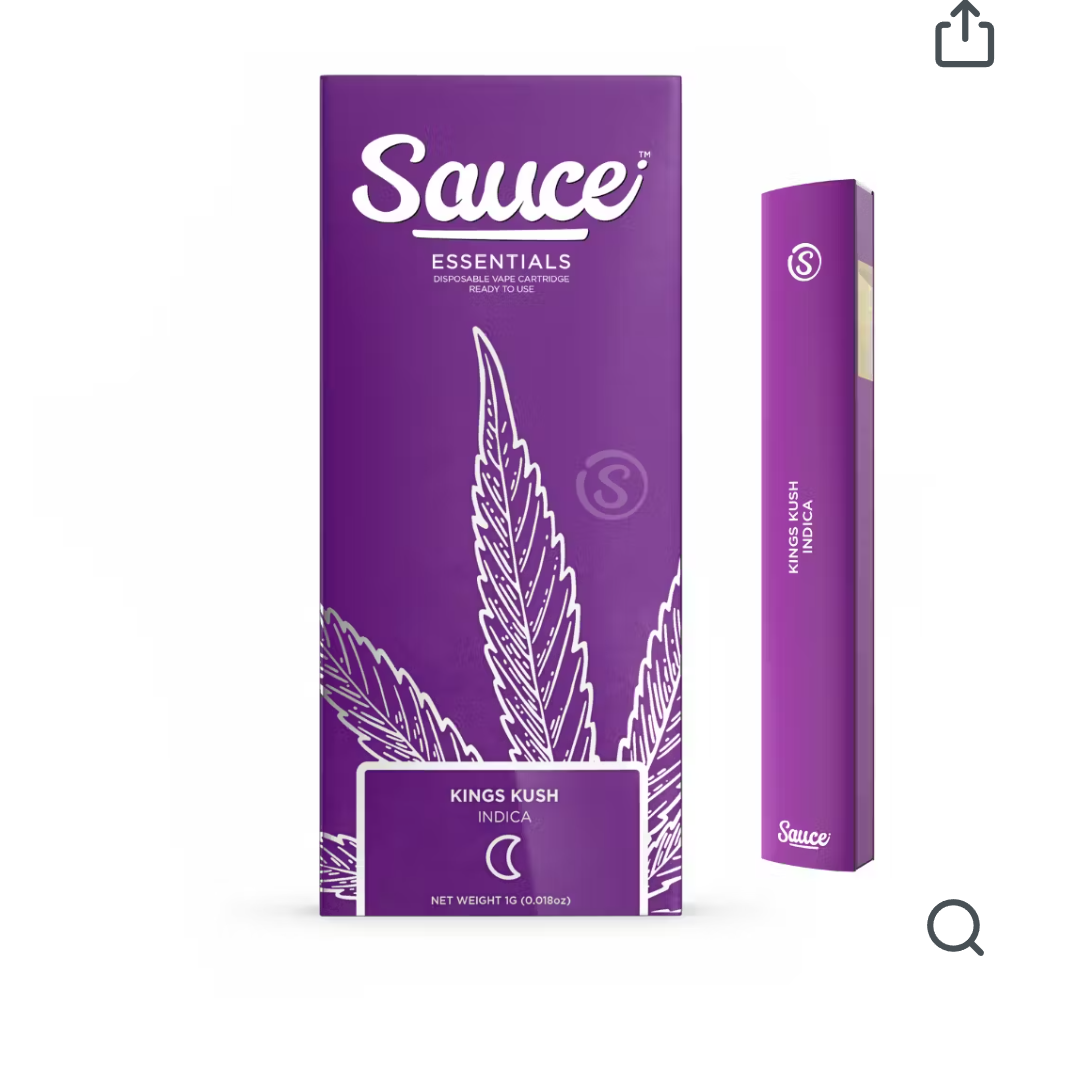
The decision by Congress (via a Senate-backed government funding bill) to push back the enforcement deadline for the federal ban on hemp-derived THC products from November 12 to December 11 might look like a minor 30-day extension on paper, but in reality, it carries massive economic, legislative, and political implications.
Why a 30-Day Extension Is a Big Deal
1. Opening the Door for a Long-Term Legislative Compromise
- Breathing Room for Regulation: Pushing the deadline past November gives bipartisan lawmakers (led by Senators Amy Klobuchar, Rand Paul, and Jeff Merkley) critical leverage and time to pass formal regulatory frameworks (such as the Hemp Predictability Act) instead of outright criminalization.
- The “One Month at a Time” Strategy: Policy advocates and industry analysts note that securing a short-term delay sets a precedent. Rather than allowing a permanent ban to take effect, Congress can continue extending the deadline via future spending bills or continuing resolutions.
2. Lifeline for a $28 Billion Industry
- Massive Supply Chain Impact: The ban—originally passed in a late 2025 appropriations bill—redefined hemp to measure total THC (capping finished goods at 0.4mg total THC per container). This effectively outlaws roughly 95% of existing market products, including Delta-8, THCA flower, hemp-derived Delta-9 edibles, and THC beverages.
- Avoids Immediate Economic Shock: The delay provides temporary relief to tens of thousands of hemp farmers, manufacturers, distributors, dispensaries, gas stations, and mainstream retailers like Total Wine & BevMo! who faced inventory write-offs and economic fallout.
3. High-Stakes Lobbying & Industry Rift
- State-Licensed Cannabis vs. Hemp Market: Licensed adult-use marijuana operators initially supported the November ban because hemp-derived THC operates largely outside state adult-use tax and license regimes, creating intense competition. Extending the deadline delays market consolidation for state-licensed operators.
- The Alcohol Industry Factor: Mainstream alcohol distributors and retailers have increasingly entered the low-dose THC beverage space. The extra month provides lobbying groups (like BAMCO) time to push for federal standards that allow hemp-derived low-dose drinks to stay on retail shelves.
4. Electoral and Political Timing
- Avoids Pre-Election Disruption: The original November 12 deadline fell right after federal elections. Moving the cutoff to December 11 ties the ban directly to the broader government spending battle, turning hemp regulations into a major bargaining chip during lame-duck budget negotiations.
Key Exception: While the extension applies to most naturally derived hemp products and edibles (like candies and drinks), synthetic cannabinoids that cannot naturally occur in the Cannabis sativa L. plant remain targeted for immediate recriminalization on November 12.