
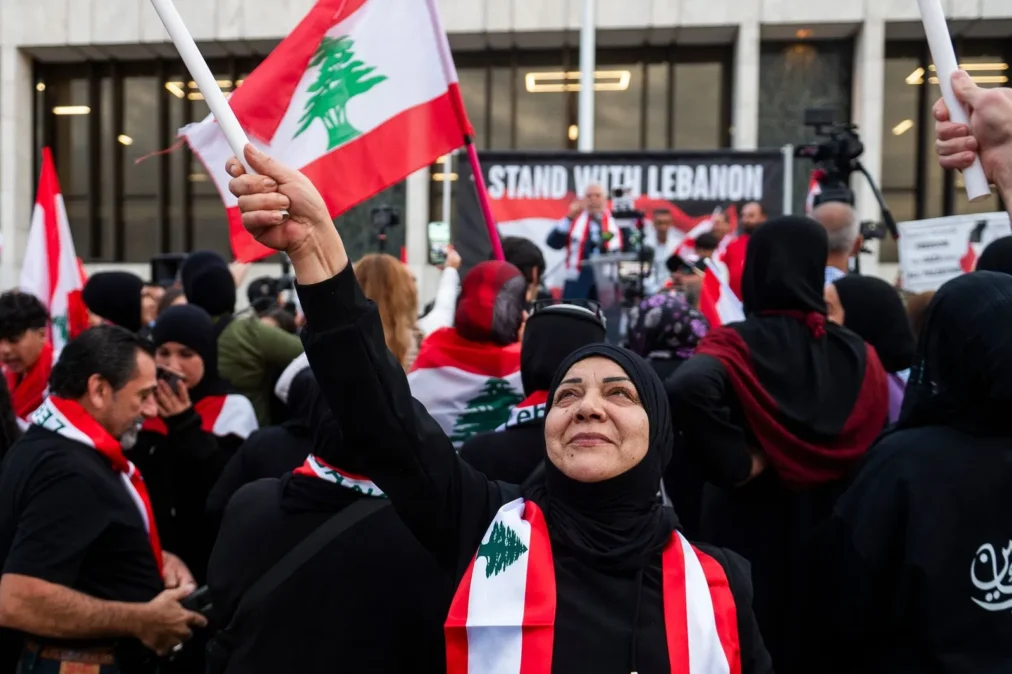
Horns Blaring. Hearts Swelling in Dearborn. It was a celebration of a Lebanese homecoming.
Dearborn, Michigan – May 2000 – The streets of Dearborn pulsed with an energy unlike any ordinary Friday night. This event wasn’t the usual weekend revelry. It was a spontaneous explosion of joy. A cacophony of car horns, engine revs, and jubilant shouts echoed a seismic shift thousands of miles away. In May 2000, as news of the Israeli withdrawal from South Lebanon filtered in, Dearborn celebrated. It is home to one of the largest Arab American communities in the United States. The city erupted in an outpouring of national pride and relief.
For generations, Lebanese families in Dearborn had watched with bated breath. Like those across the global diaspora, they had heavy hearts observing the protracted conflict in their ancestral homeland. The Israeli occupation of South Lebanon started in 1985. It cast a long shadow. It was a constant ache for sovereignty and peace. The news of the Israeli forces unilaterally pulling out was more than just a political development. Their withdrawal marked the end of a 22-year presence. It was a deeply personal triumph.
“It felt like freedom,” recounted Aisha, a Dearborn resident whose family still had relatives in southern Lebanon. “We had waited so long, prayed so hard. To finally hear that the occupation was over, it was overwhelming.”
The city’s main thoroughfares, particularly arteries like Warren Avenue and Schaefer Road, transformed into impromptu parade routes. Vehicles, with Lebanese flags fluttering from their windows and antennas, moved through the streets. Their drivers leaned on horns in an endless, joyous blare. Passengers, young and old, hung out of windows, cheering, waving flags, and sometimes even dancing on car roofs. The air was filled with the scent of burning rubber. Enthusiastic drivers performed burnouts. Their tires screeched in celebration, leaving trails of smoke that mingled with the festive atmosphere.
The noise was deafening. It was a symphony of liberation. Loudspeakers were hastily set up in car trunks or carried by exuberant crowds. These loudspeakers blasted patriotic Lebanese music. Some of the music had lyrics praising the “resistance” and the newfound “victory.” Families poured out of homes and businesses. They joined the throng and embraced strangers with tears in their eyes. They were united by a shared history and a momentous present.
The celebration in Dearborn was overwhelmingly positive. However, it also reflected the complex layers of emotion. There was also political sentiment within the Lebanese community.
For many, the withdrawal was seen as a victory for the Lebanese resistance movements. Hezbollah, who had been at the forefront of the fight against the Israeli occupation, played a significant role. This perspective fueled much of the celebratory fervor, with chants and banners reflecting a sense of triumph and vindication.
The scenes in Dearborn mirrored spontaneous celebrations in Beirut and across Lebanon. Similar events occurred in other Lebanese diaspora communities worldwide. It was a global moment of unity. There was also a collective sigh of relief. It was a passionate assertion of national identity.
Dearborn is often viewed through the lens of its unique cultural demographics. The events of May 2000 showcased its deep connection to its roots. This connection was a powerful reminder that global events resonate profoundly in local communities. For the Lebanese in Dearborn, the freedom of their homeland was more than just news. It was a reason to party. They celebrated like never before.