
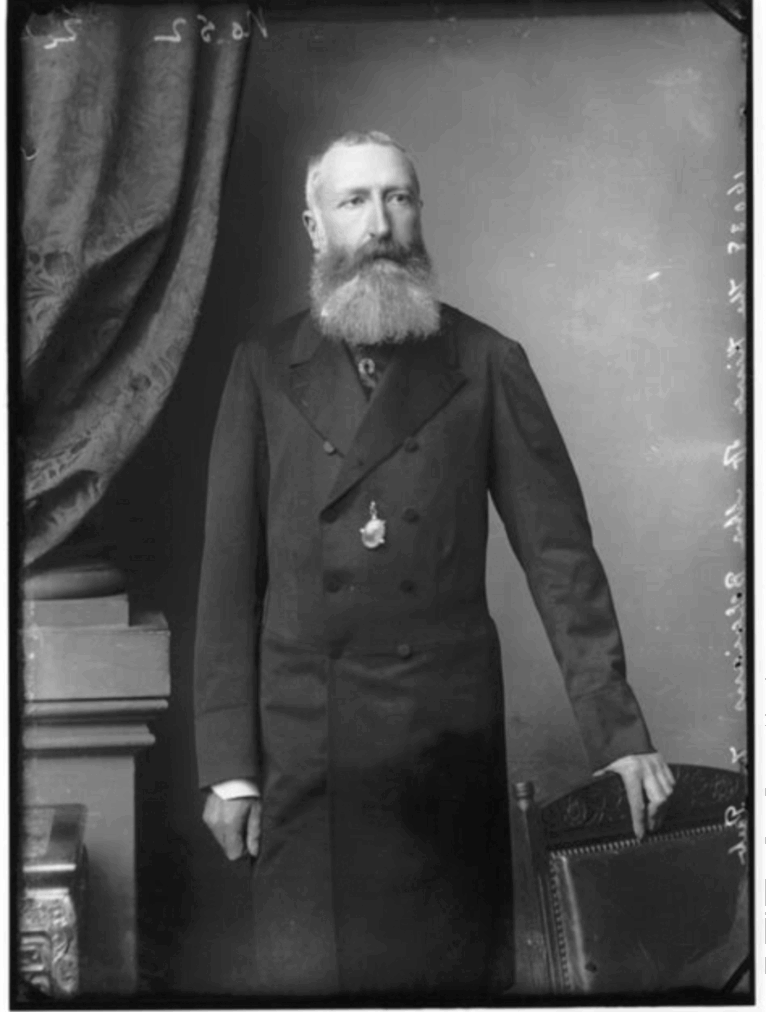
👑 King of Belgium (1865–1909): The Constitutional Monarch
As king of Belgium, Leopold II had limited real power. Belgium was a constitutional monarchy with a parliamentary government. Domestically, his reign was mostly uneventful:
- He pushed for economic development, urban renewal, and public works.
- Funded infrastructure projects like the Brussels Royal Galleries, Antwerp Central Station, and coastal resorts.
- He was also obsessed with making Belgium appear powerful on the world stage, despite its small size.
But Leopold wasn’t content being a figurehead. His real ambitions were imperial.
🌍 The Congo Free State (1885–1908): A Private Empire of Horror
Unable to acquire a colony for Belgium through government means, Leopold created his own.
- At the 1884–85 Berlin Conference, he convinced European powers. They granted him personal control over a huge swath of central Africa.
- He claimed he wanted to bring civilization, fight slavery, and promote free trade.
- In reality, the Congo Free State (now the Democratic Republic of Congo) became his private corporate slave plantation. It was roughly 76 times the size of Belgium.
💰 Exploitation and Atrocity
Leopold ran the Congo as a brutal extractive economy centered on ivory and rubber.
- Natives were forced to work under horrific conditions.
- Hostage-taking, whippings, amputations, village burnings, and mass killings were common to enforce rubber quotas.
- The infamous Force Publique—his private army—terrorized the population.
📉 Human Cost
- Between 5 to 10 million Congolese are estimated to have died under Leopold’s rule through murder, starvation, disease, and exploitation.
- That’s one of the largest genocidal death tolls in modern history.
📣 Global Outcry and the End of His Rule in Congo
By the early 1900s, missionaries, diplomats, and journalists exposed the atrocities.
- British diplomat Roger Casement and journalist E.D. Morel led a human rights campaign.
- Mark Twain and Arthur Conan Doyle wrote scathing condemnations.
- The Congo Reform Association became one of the first international human rights movements.
In 1908, under immense international pressure, Leopold ceded the Congo to the Belgian government. This ended his personal rule. It was renamed the Belgian Congo—still colonial, but less overtly sadistic.
🪦 Death and Legacy
Leopold died in 1909, widely despised abroad but still respected by many in Belgium for his “contributions” to national grandeur.
- Streets and statues honoring him remained in Belgium for over a century.
- In recent years, especially following the Black Lives Matter protests, there has been renewed scrutiny of his legacy.
- Statues of Leopold have been defaced, removed, or recontextualized.
TL;DR
- As King of Belgium: A constitutional monarch obsessed with power and prestige.
- In the Congo: A bloodthirsty tyrant who ran one of the most brutal colonial regimes in history.
- Legacy: Architect of genocide, and a cautionary tale of unchecked imperialism disguised as philanthropy.
Let me know if you want visuals, a timeline, or a rewritten version as a magazine exposé.