
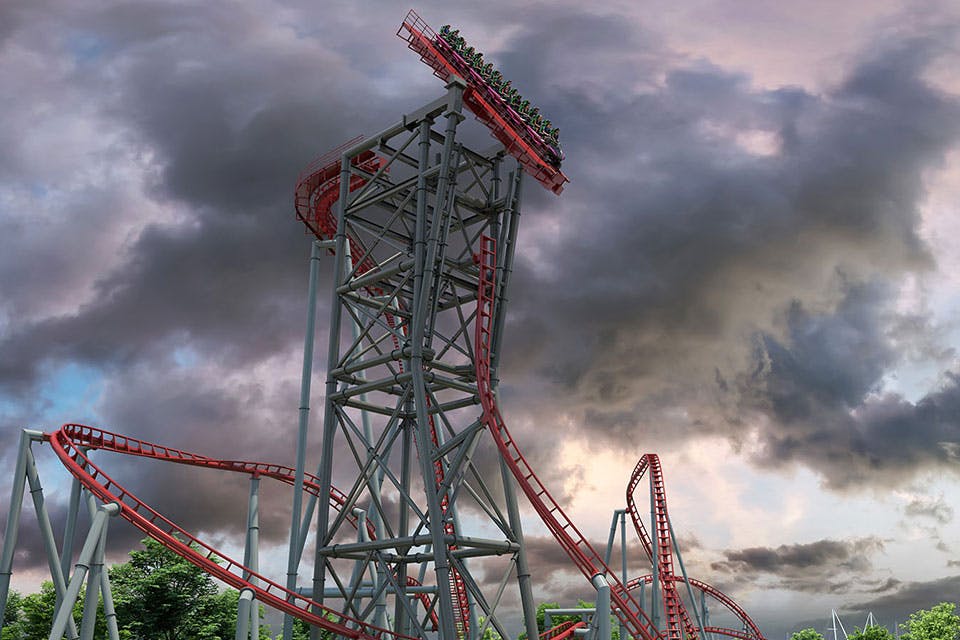
- Community Anchors
All three were once “third places” — not home, not work, but somewhere people gathered. Churches for worship and fellowship, malls for shopping and hanging out, theme parks for family fun. When society had fewer digital alternatives, these physical hubs mattered more. - Real Estate Heavyweights
Each is built on massive, expensive land footprints with high maintenance costs. When attendance wanes, the economics collapse quickly — you can’t “half-run” a mall, church, or theme park. They either thrive on scale or they shutter.
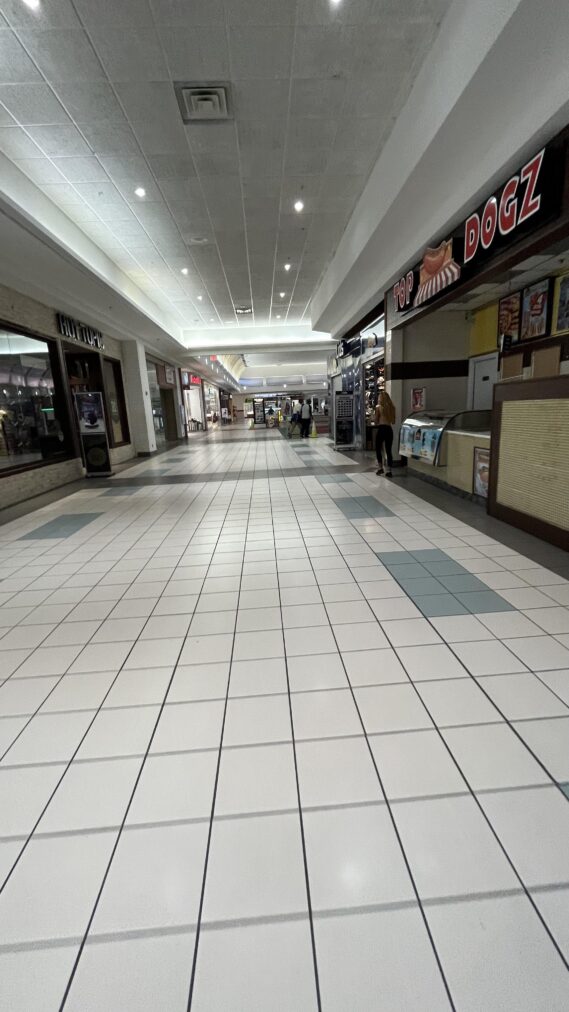
- Generational Shifts
Boomers and older Gen X grew up on Sunday services. They spent time in mall culture. They took summer trips to Six Flags or Disney.
Younger generations are less tied to institutional religion. They prefer online shopping. They chase experiences that are cheaper, more personalized, or more flexible.
Result: the old pillars don’t pull crowds the way they used to. - Digital Disruption
Amazon and e-commerce kneecapped malls.
Streaming entertainment and online communities replaced theme park pilgrimages for some.
Social media, podcasts, and “DIY spirituality” chipped away at church attendance. - Fragile Business Models
They depend on constant, repeat foot traffic. Once habits shift — whether from a pandemic, changing culture, or tighter budgets — they struggle to adapt.
👉 In short: they’re all monuments to mid-20th-century America’s version of community and leisure. Physical, centralized, big-box institutions that thrived when people had fewer choices. Now, those choices are infinite, and the old temples of faith, commerce, and fun can’t keep up.
Want me to spin this into a snarky magazine-style piece, like “The Death of the American Third Place”?