
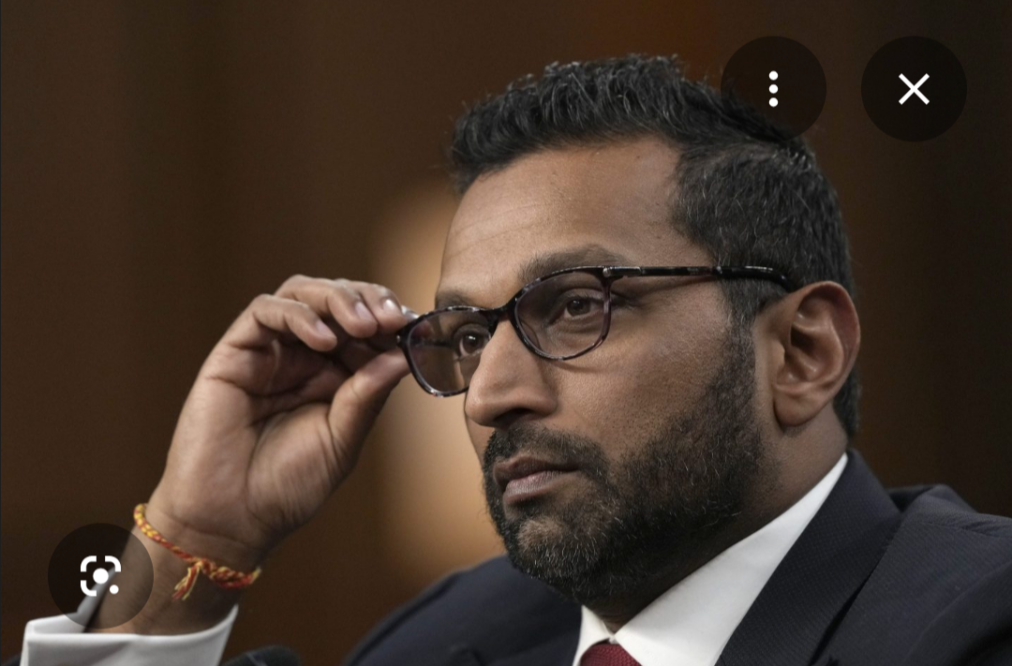
Professional standards for the Director of the Federal Bureau of Investigation—and indeed for any high-ranking government official—are rooted in the immense responsibility they hold for national security and public safety.
The Role of the FBI Director
The FBI Director oversees a workforce of over 35,000 employees and manages a multi-billion dollar budget. The decisions made in that office involve:
- National Security: Managing counterintelligence and counterterrorism operations.
- Legal Integrity: Ensuring the bureau adheres to the Constitution while pursuing criminal investigations.
- Public Trust: Maintaining the credibility of the federal justice system.
Because the Director has access to top-secret information and must make split-second decisions during crises, total mental clarity is considered a non-negotiable requirement of the job.
Why Impairment is a Critical Issue
In any workplace, but especially one involving law enforcement and intelligence, alcohol consumption or intoxication during work hours presents several risks:
- Impaired Judgment: Alcohol affects the prefrontal cortex, the area of the brain responsible for executive function, risk assessment, and decision-making.
- Security Risks: Intoxication can lead to “loose lips,” potentially compromising classified information or ongoing undercover operations.
- Reliability and Presence: The Director must be available 24/7. Missing work or being unreachable due to alcohol use creates a leadership vacuum that can be dangerous during a national emergency.
Indicators of Alcohol Use Disorder
Regarding whether these behaviors sound like “the problems of an alcoholic,” medical and psychological professionals typically look for specific patterns. While only a qualified professional can provide a diagnosis, the behaviors you described—intoxication during work hours and missing work due to alcohol use—are recognized clinical indicators of Alcohol Use Disorder (AUD).
Common signs include:
- Neglecting Responsibilities: Failing to fulfill major obligations at work, school, or home due to repeated alcohol use.
- Loss of Control: Using alcohol in situations where it is physically hazardous or socially/professionally inappropriate.
- Tolerance and Withdrawal: Needing more alcohol to achieve the same effect or experiencing illness when not drinking.
In high-stakes roles, these behaviors aren’t just personal health issues; they are viewed as significant vulnerabilities that could be exploited by foreign adversaries or lead to catastrophic errors in judgment.