
Anita Hill & the Confirmation Storm (1991)
When President George H. W. Bush nominated Thomas to the Supreme Court in 1991, the spotlight turned into a searchlight. Anita Hill was his former subordinate at the Department of Education. She also worked under him at the EEOC. During the confirmation hearings, she accused him of making unwanted sexual advances. She also accused him of making explicit sexual remarks. Thomas denied everything, and despite the dramatic hearings, he was confirmed by a close 52-48 Senate vote.
For years, Thomas’s disclosure forms claimed his wife, Virginia “Ginni” Thomas, had no income. Meanwhile, the Heritage Foundation paid her hundreds of thousands of dollars over several years. This omission wasn’t minor. Watchdog groups flagged the discrepancy. Eventually, Thomas amended his disclosure forms decades later. �
Biography +2
Recusal Questions & Wife’s Political Activism
Ginni Thomas didn’t just stay home. She got involved in conservative advocacy, including opposing the Affordable Care Act and later amplifying claims of election fraud. These roles prompted repeated calls for Thomas to recuse himself. People believed her activism might present a conflict of interest in certain cases. But he almost always stayed on the bench regardless.
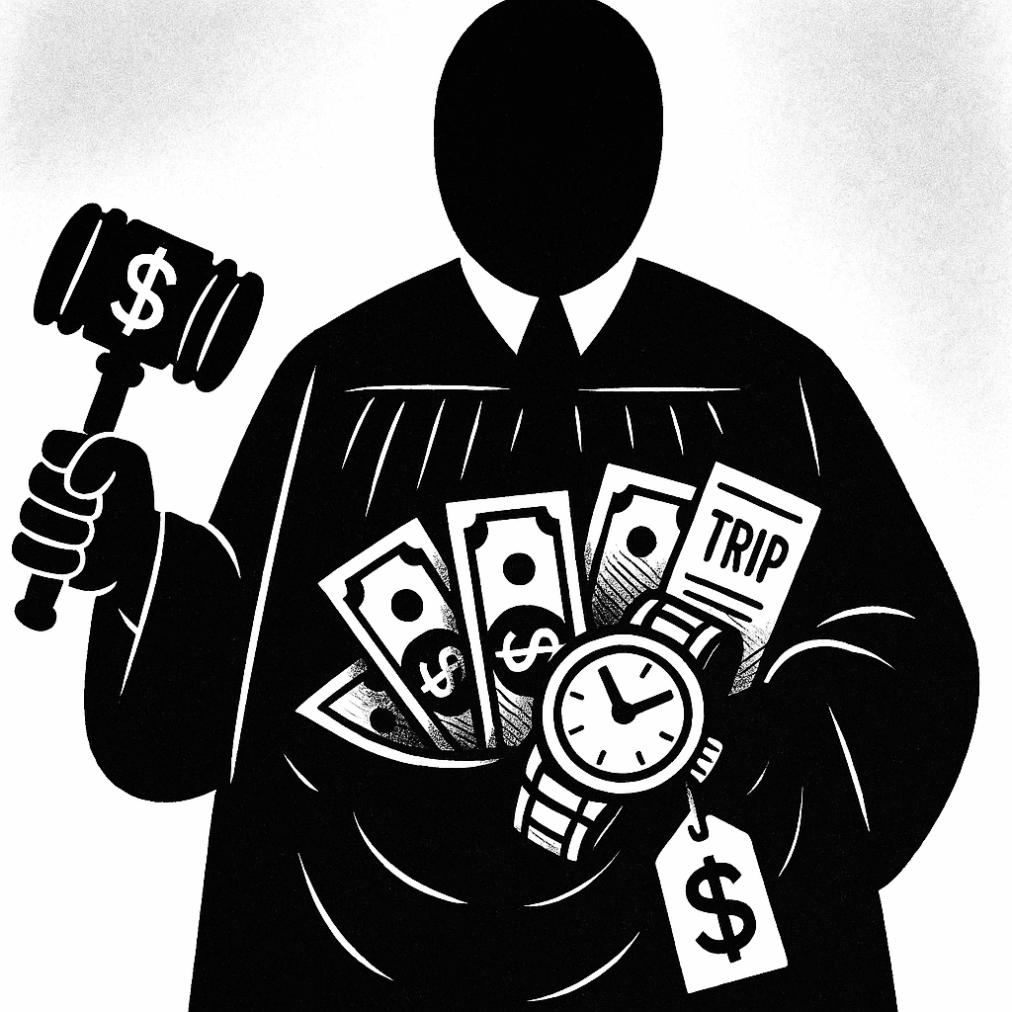
Texas billionaire Harlan Crow and others allegedly showered Thomas with luxury travel. This included yacht stays and private jet flights. Resort vacations and other gifts were also provided, many of which were not disclosed on Thomas’s financial forms as required. ProPublica and others documented dozens of trips and gifts over many years. In some cases, lodging and meals were eventually amended into disclosures after media pressure; many other perks were not. �
Them +4
“Wild Summer of 2019” & Disclosure Issues
Summer 2019 reads like a catalog of elites having fun. They went on international trips, private jets, yacht cruises, and exclusive retreats, all courtesy of donors. Thomas eventually amended certain reports (food and lodging). However, he still left out large chunks of travel and transportation. Ethics groups argue that these omissions may violate the Ethics in Government Act.
In 2024, Thomas hired a law clerk, Crystal Clanton, who had earlier sent messages saying “I hate blacks.” Clanton claimed the messages did not reflect her beliefs. Thomas defended the hire. Critics saw the hiring as tone-deaf at best, harmful at worst. �
Reuters
Investigations, Ethics Bodies & Refusals to Refer
There were many allegations. As they piled up, bodies like the Senate Judiciary Committee and other oversight groups launched investigations. One request to refer Thomas to the Department of Justice over undisclosed travel and gifts was rejected. This was partly because of legal uncertainties about the powers of judicial oversight bodies. Thomas amended some disclosure forms only after journalists revealed omissions. �
Campaign Legal Center +3
Why It Matters
These aren’t just juicy headlines. They raise a fundamental question. How can the public trust rulings from a justice who has financial relationships with powerful donors? What about those who failed to report income or are married to a political activist without recusing in related cases? Many argue that ethical lapses at this level can erode faith in the Supreme Court itself.