
That’s a timeless question — and one that’s been sparking arguments since Plato’s Republic first hit the ancient shelves. Let’s break it down clearly. We’ll do it magazine-style and make it SEO-ready. A focus keyphrase and related terms will be incorporated for good measure.
🌍 Would Society Be Better If No One Owned Anything?
Focus Keyphrase: no ownership society
Related Keyphrases: shared economy, communal society, resource sharing, collective ownership, utopian economics, equality and fairness, social experiment, human nature and greed
💭 The Dream of a Shared World
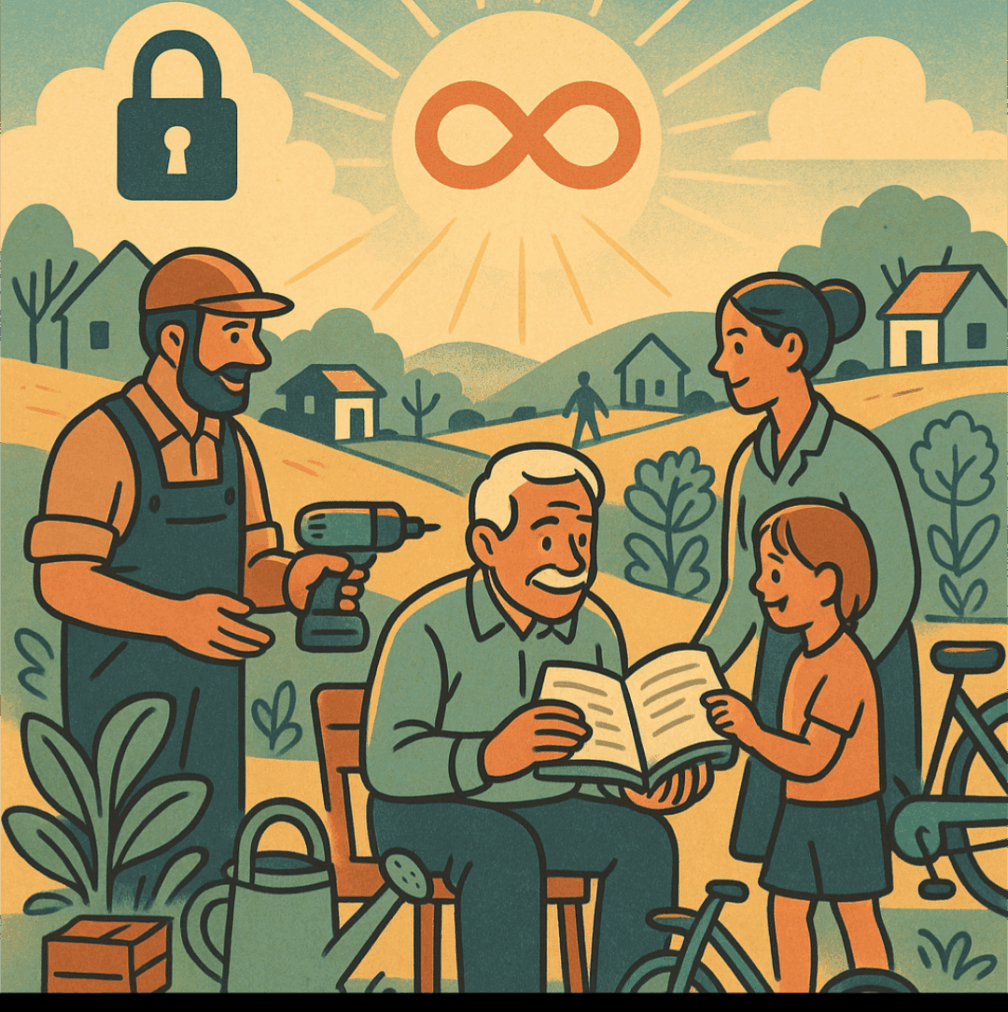
Imagine a no-ownership society where everyone could use anything — houses, cars, clothes, even technology — without ever signing a receipt or making a payment. On paper, it sounds like utopia: no poverty, no class system, no billionaires hoarding yachts while others fight over rent money.
Everything would be shared resources: the library of life, open 24/7. Everyone could access what they need, when they need it — no questions, no credit score, no eviction notice.
It’s a seductive idea. But let’s talk about the part that always ruins utopias: people.
🧠 The Problem With Human Nature
A society without ownership only works if humans behave like angels. And last time anyone checked, we’re not exactly sprouting halos.
Ownership is tied to accountability. When it’s “mine,” I maintain it, protect it, maybe even improve it. When it’s “ours,” things tend to slide — “ours” becomes “someone else’s problem.” Think of a public restroom at a gas station versus your own bathroom at home.
Communal societies have been tried — from 19th-century communes in the U.S. to modern eco-villages and co-ops. Some work beautifully in small, tight-knit groups. Scale it up to millions? Things get messy fast: resource hoarding, freeloading, and a quiet return to black-market ownership.
⚙️ What Might Actually Work
A shared economy can still thrive without tossing ownership out the window. Instead of “no one owns anything,” think: “everyone can access what they need.”
We already live in early versions of that:
Ride-sharing instead of car ownership.
Streaming instead of buying DVDs.
Tool libraries, community gardens, and co-working spaces — micro-models of collective access.
The idea isn’t to kill ownership, but to redefine it. Maybe you don’t need to own a drill if you only need to use one once a year.
⚖️ The Verdict
A world where no one owns anything sounds peaceful — but it relies on everyone acting selflessly forever, which is not how human psychology works.
A better vision might be “shared access within fair systems” — where technology ensures equality, transparency, and sustainability. Not a “no-ownership” world, but a “no-exploitation” one.
Because let’s face it: when everything belongs to everyone, it only works if everyone behaves. And history shows… we’re not quite there yet.
🪶 Meta Description (Yoast-ready)
Would society thrive if no one owned anything? Explore the pros, cons, and human nature behind a no-ownership society and shared economy.
Slug: no-ownership-society
Tags: no ownership society, shared economy, communal living, resource sharing, collective ownership, utopia vs reality, equality, greed, socialism, capitalism alternatives