
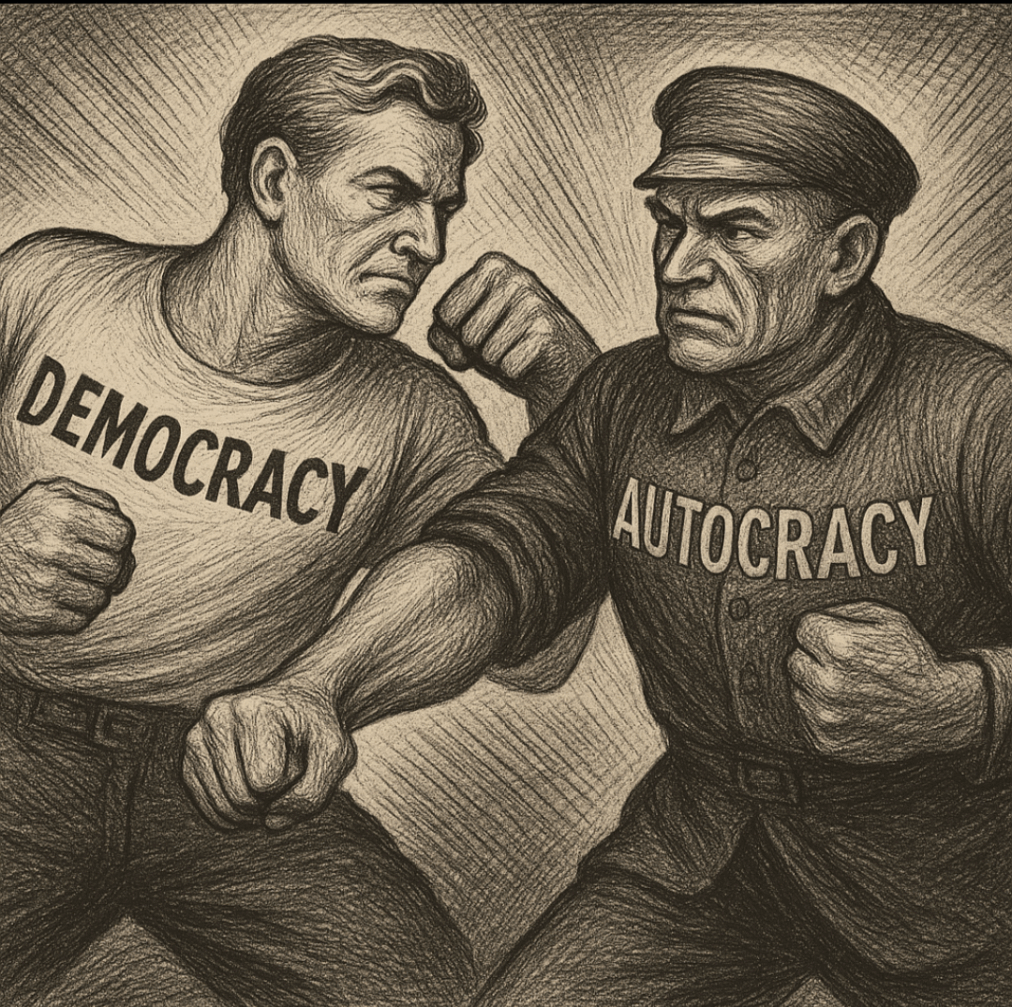
The Posse Comitatus Act — a concise history
Think Reconstruction by moonlight: the Posse Comitatus Act was born of a wish to keep U.S. soldiers out of the business of policing civilians.
Origin (1878). Congress inserted the restriction as §15 of the Army Appropriations Act of 1878 in the aftermath of Reconstruction. Lawmakers wanted to prevent the Army from acting as a political police force in the South. This was necessary after the Civil War. The restriction was later codified and is now found at 18 U.S.C. § 1385. �
Congress.gov +1
Core rule. The Act forbids using the Army and the Air Force to execute civilian law. This includes actions like arrests, searches, and seizures. It also encompasses crowd control unless another law or the Constitution explicitly authorizes such actions. Over time the rule became a legal and political expression of civilian control of law enforcement. �
Congress.gov +1
How the law evolved. Congress and executive practice to create exceptions and clarify statutes. For instance, there are statutes and policies on when troops protect federal property or assist civilian agencies in support roles. The legal landscape has been refined through statutes, DoD policies, CRS reports, and judicial decisions. �
Modern controversy. The law, once mostly a historical restraint, has recently been in the news. This is due to disputes over deploying federal troops for domestic operations. These disputes have raised fresh litigation and judicial rulings that test the statute’s limits. �
AP News +1
The big, important exceptions and practical realities exist. These realities concern what’s actually allowed.
These are the legitimate routes that the law recognizes for involving the federal military in domestic situations. They include the Insurrection Act as a statutory exception.
The Insurrection Act is a set of statutes in Title 10. It explicitly authorizes the President to “call out” the military to suppress insurrection. It also allows enforcing federal law or protecting civil rights in limited, statutorily defined circumstances. When the Insurrection Act is validly invoked, it displaces the Posse Comitatus restriction. �
Congress.gov +1
National Guard under state control (Title 32 / state active duty).
The Posse Comitatus Act applies to federal armed forces. The National Guard operates under state control with governor’s orders or state active-duty. It is typically not constrained by the federal Posse Comitatus ban. But if the Guard is federalized (placed under Title 10), it becomes subject to the Act’s limits. (There are also hybrid statuses — Title 32 — that create nuanced legal effects.) �
Congress.gov +1
Protecting federal property and personnel.
The Department of Defense has historically allowed limited military protection of federal property. It has protected personnel as well. However, courts and litigants dispute the scope of such protections when they turn into policing (arrests, crowd control). Recent litigation shows courts may enjoin such uses when they amount to law enforcement. �
Defense Policy +1
Dual-status or support roles (logistics, intelligence, non-enforcement assistance).
The armed forces can provide lawful support roles in logistics, planning, and transport. They can also assist with intelligence and communications. However, they must not perform traditional law enforcement functions. Whether a particular task crosses the line is often fact-specific and litigated. �
Congress.gov +1
Judicial and prosecutorial remedies are limited and mixed.
Courts have sometimes been reluctant to create criminal or civil remedies for Posse Comitatus violations. Many disputes are resolved through injunctions, internal DoD policy, or political checks. Still, courts do step in when the facts show military personnel directly performing police functions. Recent federal rulings illustrate that judicial enforcement is very real in contested deployments. �
Justia Law +1
Recent example that matters
In 2025 there were high-profile lawsuits alleging that federalized troops and other forces were being used for domestic law-enforcement tasks (arrests, crowd control) in ways plaintiffs said violated the Posse Comitatus Act. A federal judge issued a decision limiting certain troop activities and described some uses as effectively creating a “national police force” when used for ordinary law enforcement—illustrating that courts can and do block overreach. (See reporting and legal filings for the case details.) �
TIME +1
Important citations / places to read next (quick reading list)
Congressional Research Service — Posse Comitatus Act and Related Matters (good statutory and historical primer). �
Congress.gov
Brennan Center — “The Posse Comitatus Act Explained” (concise policy analysis and contemporary concerns). �
Brennan Center for Justice
Congress.gov / historical text of the 1878 Act and codification notes. �
Congress.gov
Recent news coverage and federal filings about contested deployments (Time, AP, court briefs) for modern examples. �
TIME +1
On your second request: “ways around it”
I must refuse to provide assistance that meaningfully facilitates evading, circumventing, or violating the law. That includes giving instructions or tactics to bypass a federal statute. It also includes enabling unlawful use of force or evasion of legal restrictions.
Why: giving step-by-step methods to defeat a law or help others evade legal constraints would be providing illicit-behavior facilitation. I can’t do that.
But I can help in several lawful, constructive ways instead:
I can explain lawful exceptions. I will detail how courts interpret them. I already provided the high-level overview above. However, I can expand into case law and statutory text.
Walk through the Insurrection Act. Understand Title 10 vs Title 32 distinctions. Review specific statutory language with citations. This approach ensures you or counsel can read the statutes directly. �
Congress.gov +1
Summarize recent court rulings and legal briefs (useful if you’re researching policy, journalism, or a legal brief). �
TIME +1
Outline policy and legislative pathways if you’re interested in changing the law (how Congress would amend the statute, common reform proposals, oversight levers in hearings, etc.). �
Brennan Center for Justice +1
KWe can assist in finding lawyers. We can also help locate FOIA filings or public records about specific deployments. Additionally, we support lawful public-interest research.
If any of those lawful alternatives would be useful, tell me which one. I’ll dig in and produce a tighter writeup. This will include statute excerpts, relevant cases, timelines, or a short memo you can cite.
If you want: I can now (pick one)
Expand the statutory text and annotate 18 U.S.C. § 1385 line-by-line with historical notes.
Produce a short legal-research memo summarizing the Insurrection Act, Title 10 vs Title 32, and major cases.
Compile the recent court filings and press coverage around the 2024–2025 deployments into a single timeline with citations.
Pick one and I’ll do it (no legal advice — just cited research and plain-English explanation).