

When cultural theorists look at pop culture mythologies, few lore engines are as persistent—or as deeply revealing—as the 27 Club.
At its surface, the 27 Club is an informal list of iconic musicians and artists who died at age 27. But as a cultural artifact, it says far less about numerical fate and far more about how media, fans, and the music industry romanticize tragic talent.
1. How the Myth Was Built
The idea didn’t happen all at once; it evolved across three distinct waves of pop culture history:
- The Initial Cluster (1969–1971): Over a span of two years, four major generational icons passed away at 27: Brian Jones (The Rolling Stones), Jimi Hendrix, Janis Joplin, and Jim Morrison (The Doors). While people noted the uncanny age coincidence, the phrase itself hadn’t taken root yet.
- The Name Takes Hold (1994): When Nirvana frontman Kurt Cobain died at 27, media coverage and fans explicitly tied his death back to those ’60s icons. The concept of a “club” officially cemented into the global zeitgeist.
- The Modern Anchor (2011): The death of soul legend Amy Winehouse at 27 re-ignited the conversation for a new generation, solidifying the idea that this age carried a unique tragic weight.
2. What the Science Says vs. What the Lore Tells Us
Is 27 actually a cursed age for musicians? Statistically, no.
A landmark 2011 study published in the British Medical Journal analyzed hundreds of famous musicians across decades and found no statistical spike in mortality at age 27. Musicians do experience higher mortality rates in their 20s and 30s than the general population due to rapid fame, intense touring stress, and substance exposure—but age 27 is statistically no riskier than 25, 28, or 32.
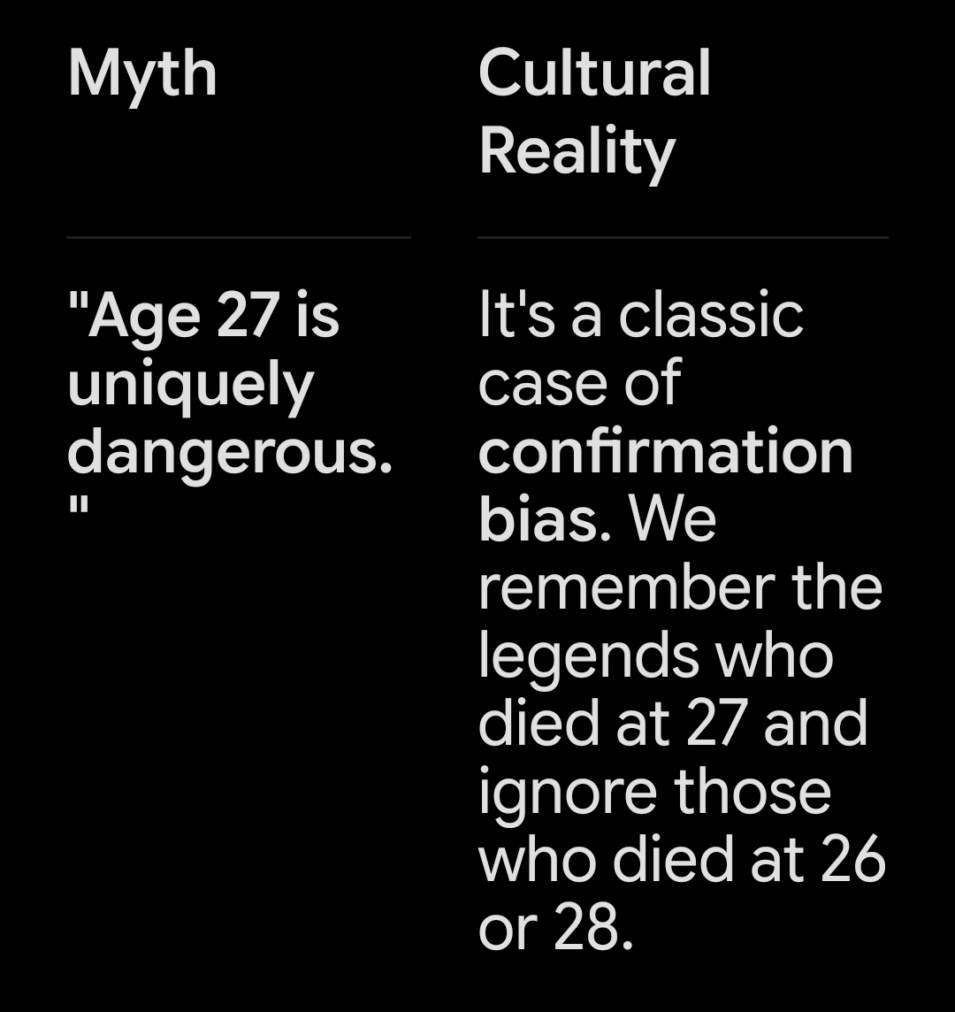
3. The Cultural Shift: Why the Narrative Is Changing
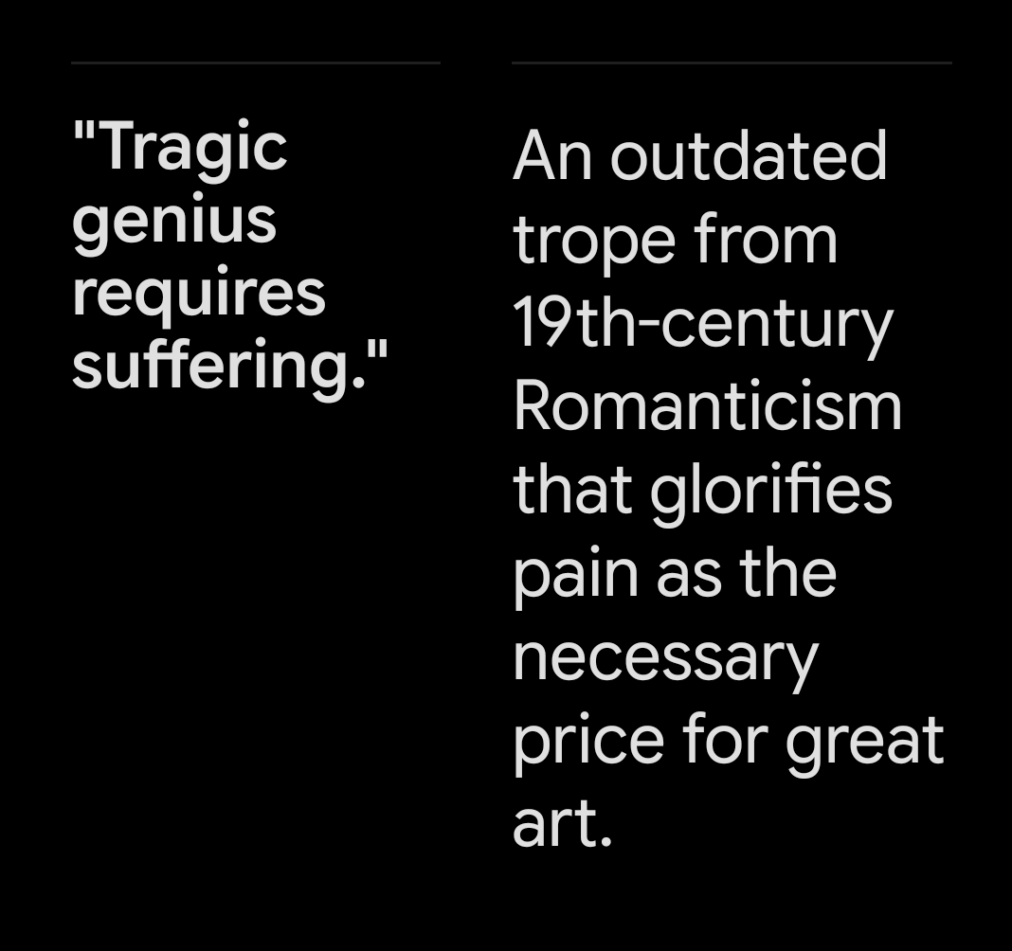
For decades, the music industry and celebrity media profited from the archetype of the “beautifully broken” artist who burns out fast.
Today, culture views the 27 Club through a much critical lens:
The Modern Takeaway: We no longer view these tragic deaths as mysterious destiny. Instead, we recognize them as human costs—unaddressed mental healthcare needs, punishing industry schedules, relentless media scrutiny, and a lack of support systems for young talent handling sudden, extreme fame.
Rather than mythologizing early death, contemporary culture increasingly pushes for artist wellness, harm reduction, and protecting creative voices so they can grow old making art.