🌍 WORLD EVENTS & CONTEXT
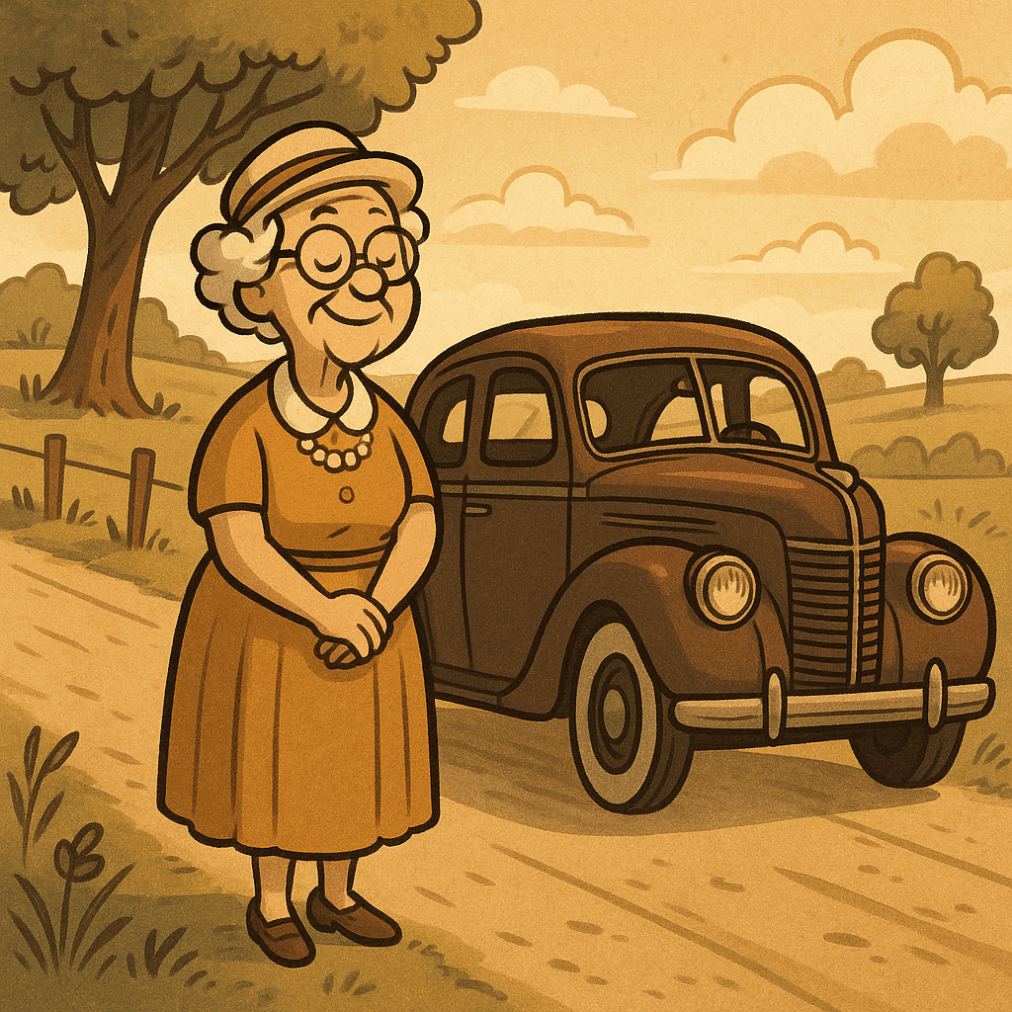
Your Grandmother (1918):
- Born at the end of World War I. This person lived through The Great Depression, World War II, the Cold War, and postwar conservatism.
- Grew up with scarcity as a norm: rationing, saving everything, and not wasting anything.
- Government was seen as a stabilizing authority, and questioning it was rare.
- Most of life was local—news, jobs, community, church—all centered on hometown routines.
You (1973):
- Grew up during the tail end of Vietnam, the rise of Watergate cynicism, and the emergence of consumerism.
- Saw the end of the Cold War, the digital revolution, and globalization.
- You were raised in a time where questioning authority became common—punk rock, anti-corporate sentiment, and counterculture filtered into the mainstream.
- You’ve lived most of your life with choice overload, not scarcity.
🧠 THINKING STYLES
1918 Mindset:
- Duty before self. Life was about family, survival, and doing your part.
- Conformity was valued; standing out could be dangerous, weird, or selfish.
- Hard work and sacrifice were virtues. Complaining? That’s for soft people.
- Faith in institutions: government, church, marriage—all were sacred.

1973 Mindset:
- Individualism before duty. “Be yourself” became the cultural mantra.
- Skepticism of authority: You’re more likely to challenge norms than accept them.
- Emotional honesty is encouraged. Therapy, self-help, and “speaking your truth” are valid paths.
- Flexibility and reinvention are assumed. People pivot careers, change partners, leave traditions behind.
👩👦GENDER & FAMILY ROLES
1918 Grandma:
- Expected to marry young, have kids, and put family above all.
- Gender roles were rigid. Obedience, modesty, and deference were taught to women from childhood.
- Divorce was taboo. So was living together before marriage.
1973 You:
- Came of age during or after the Women’s Liberation Movement.
- Gender roles were starting to shift, slowly.
- Divorce, single parenthood, and blended families were normalized.
- You likely have had to unlearn or challenge some of the things your parents or grandparents believed.
📺 TECHNOLOGY & INFORMATION
1918:
- Grew up without TV, let alone internet. Radios were cutting-edge. Telegrams were how you got urgent news.
- A “telephone” was a shared line, possibly with the nosy neighbor listening in.
- Most of the world was a mystery—what you didn’t see with your eyes, you might never know.
1973:
- Grew up with TV shaping your worldview, possibly Atari or Nintendo, and eventually the internet.
- You watched the world shrink as information exploded.
- You were introduced to global thinking, multiculturalism, and more exposure to ideas that would’ve shocked your grandmother.
📣 VALUES & BELIEFS
1918 Grandma:
- Respect for elders was non-negotiable.
- Authority was not questioned openly.
- The world was seen in black and white—good/bad, right/wrong, patriotic/traitorous.
- Change was often seen as dangerous or chaotic.
1973 You:
- Raised to challenge and question everything—parents, teachers, government.
- The world is seen in shades of gray—complex, messy, nuanced.
- Change is inevitable, maybe even exciting.
- You’ve probably had to balance respect for elders with frustration over outdated beliefs.
Summary Metaphor:
- Your grandmother grew up in a world where life was like a manual transmission—slow, mechanical, hands-on, predictable, hard-earned.
- You grew up in a world that became increasingly automated. Then it turned digital, and finally, AI-driven. The experience is faster with more choices. It is less predictable and more isolated.