
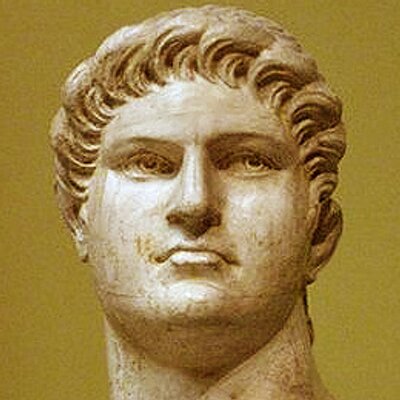
Pontius Pilate was the Roman governor (or prefect) of Judea during the time of Jesus. He is best known for presiding over the trial of Jesus. He ordered his crucifixion, despite not finding him guilty of a crime deserving death.
Here’s what the Bible says about him:
- Role in Jesus’ Trial:
Pilate appears in all four Gospels (Matthew, Mark, Luke, and John). The Jewish religious leaders bring Jesus to Pilate, because under Roman law they didn’t have the authority to execute someone. Pilate questions Jesus and repeatedly says he finds no fault in him. - Tries to Avoid Responsibility:
Pilate is portrayed as reluctant. According to Matthew 27:24, he washes his hands in front of the crowd. He says, “I am innocent of this man’s blood.” But he still gives in to the crowd’s demand to crucify Jesus. - Scourging and Crucifixion:
Before the crucifixion, Pilate has Jesus whipped, possibly hoping the punishment would appease the crowd. When that fails, he authorizes the execution anyway. - Sign on the Cross:
Pilate orders the inscription above Jesus’ cross. It reads: “Jesus of Nazareth, King of the Jews.” (John 19:19). The Jewish leaders protest, but Pilate refuses to change it, saying, “What I have written, I have written.”
Outside the Bible:
Historians like Tacitus, Josephus, and Philo also mention Pilate. They describe him as a harsh and sometimes brutal ruler, which lines up with how Rome typically governed its provinces.
In summary:
Pontius Pilate was a Roman official caught between politics, public pressure, and his own judgment. He didn’t believe Jesus was guilty, but still authorized the crucifixion. He may have been weak. He might have been calculating. Perhaps he was just trying to keep peace. Despite this, he plays a pivotal role in the most important moment in the New Testament.