
The media coverage of Rosa Parks’ arrest in 1955 was slow to start. Once it gained traction, it became very influential. It turned her act of defiance into a national symbol of the civil rights movement.
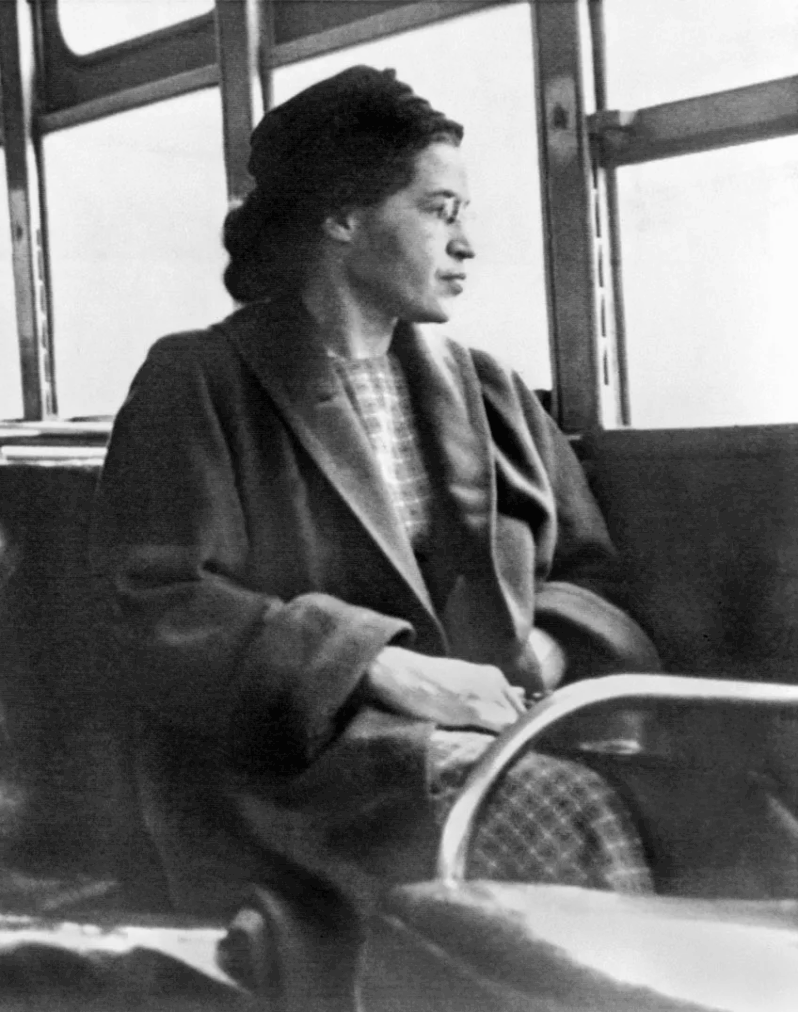
Here’s how it unfolded:
🚌 December 1, 1955 – The Arrest
Rosa Parks was arrested in Montgomery, Alabama. She refused to give up her seat to a white man on a segregated city bus. This wasn’t a spontaneous act. Parks was already involved in civil rights activism. Local Black leaders were waiting for the right moment to challenge bus segregation.
📰 Initial Media Reaction: Local & Cautious
- White-owned newspapers in Montgomery reported it as a minor legal incident. Their tone implied she was disturbing the peace.
- Black newspapers, like the Montgomery Advertiser (which was white-owned but covered Black news more than some other papers), mentioned it. However, coverage was minimal at first.
- The story was picked up early by the Black press. Notably, the Chicago Defender, Pittsburgh Courier, and Jet magazine shaped the narrative around her courage.
💥 National Attention Grows
- The Montgomery Bus Boycott (which started just days later, on Dec. 5) lasted over a year and became a major event. That’s when mainstream national media started paying serious attention.
- Once the boycott was clearly organized, sustained, and led by people like Dr. Martin Luther King Jr., major outlets like The New York Times and Time Magazine began to cover it.
- By 1956, TV and radio had picked up the story. This happened especially as the legal case against segregation progressed to the Supreme Court.
🔥 So Did It Blow Up Overnight?
No. Rosa Parks’ arrest didn’t go viral in today’s terms. It was a slow burn. The activism and boycott gave it life. Without that organized response, the media might have barely mentioned her name. It was community action that forced the story into national view.