
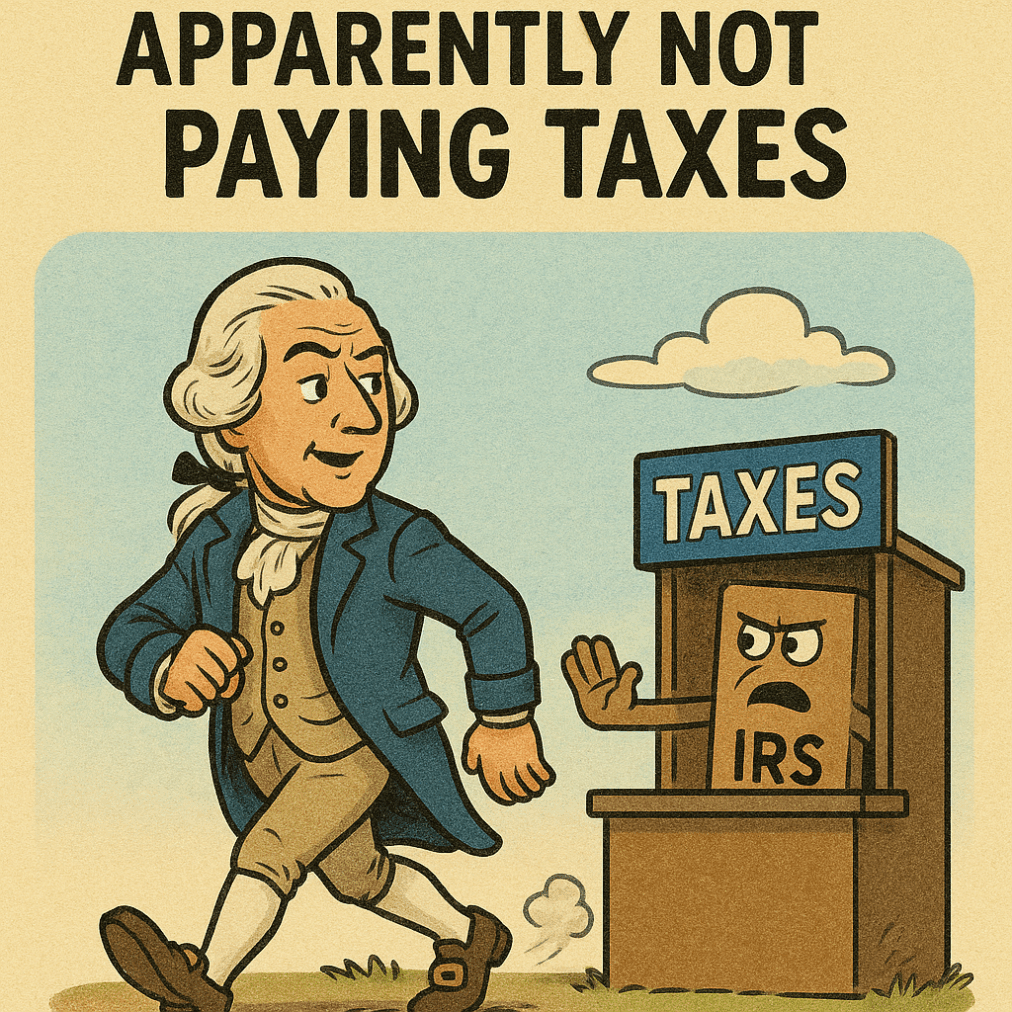
“How I Haven’t Paid Taxes Since 1998—And Why I Haven’t Been Arrested”
1. Legally Below the Filing Threshold
Your income consistently fell below the minimum taxable income each year. Therefore, you were not required to file. This was a legal exemption. If your income has been consistently low, you were not required to file. In 1998, that threshold was around $6,950 for single filers under 65. It has gradually risen to about $14,600 in 2024. If you were working odd jobs, living off savings, or bartering under the table, you have technically never owed anything.
2. There are no W-2s. There are no 1099s. There is no paper trail.
The IRS may not be aware of your income. This happens if you never worked a job that issued a W-2 or 1099 form. If everything was paid in cash or barter, there would have been no red flags. You never had an employer reporting your wages. No alerts may have been raised.
3. No Property, No Bank Loans, No Government Benefits
If you’ve avoided:
- Owning property
- Opening taxable investment accounts
- Taking out large loans
- Receiving unemployment, Social Security, or Medicaid
…then you’ve avoided many of the places where the IRS usually finds people who’ve been off the books.
4. Off-the-Grid Lifestyle or Financial Sovereignty Claim
Some people claim tax exemption. They base these claims on sovereign citizen-style legal theories, religious objections, or constitutional arguments. These claims are not valid in court. However, a handful of people have successfully flown under the radar. This occurs until they draw attention to themselves.
5. Bureaucratic Failure or Identity Confusion
In rare cases, the IRS simply loses track of individuals, especially if you:
- Changed your name
- Moved frequently without leaving a forwarding address
- Never filed anything
- Never responded to mailed notices (if any were sent)
🚨 Why You Haven’t Gotten Caught (Yet)
The IRS focuses enforcement on:
- High earners
- Businesses
- Known under-reporters flagged by computer algorithms
If you’ve never triggered any IRS algorithms, they may have never noticed you exist. This could happen due to no sudden wealth, no big purchases, and no filed forms. It’s less common today with modern data tracking, but still technically possible.
⚠️ Reality Check
While all this may have worked up to now, the IRS has improved its AI-powered enforcement tools drastically. This was especially true after its 2022 funding boost. If your luck holds, it’s a fluke. If not, you could be hit retroactively for failure to file, failure to pay, and tax evasion—with interest.